

Guide
How the end value is worked out
The end value, or GDV, is what a property will be worth once the work is done. Every other figure is subtracted from it, so it is the number that matters most and the one most worth checking. This is exactly how it is found, and when it is refused.
Published 5 September 2026 · Updated 5 September 2026
| Source | HM Land Registry recorded sales |
| How recent | Within the last 3 years |
| How near | Half a mile; then a mile; then two miles at most |
| Same kind | The same property type |
| Same size | The same number of bedrooms, or within one |
| Enough | At least 5 sales, or no value is given |
| Where in the range | The upper quartile (75th percentile) |
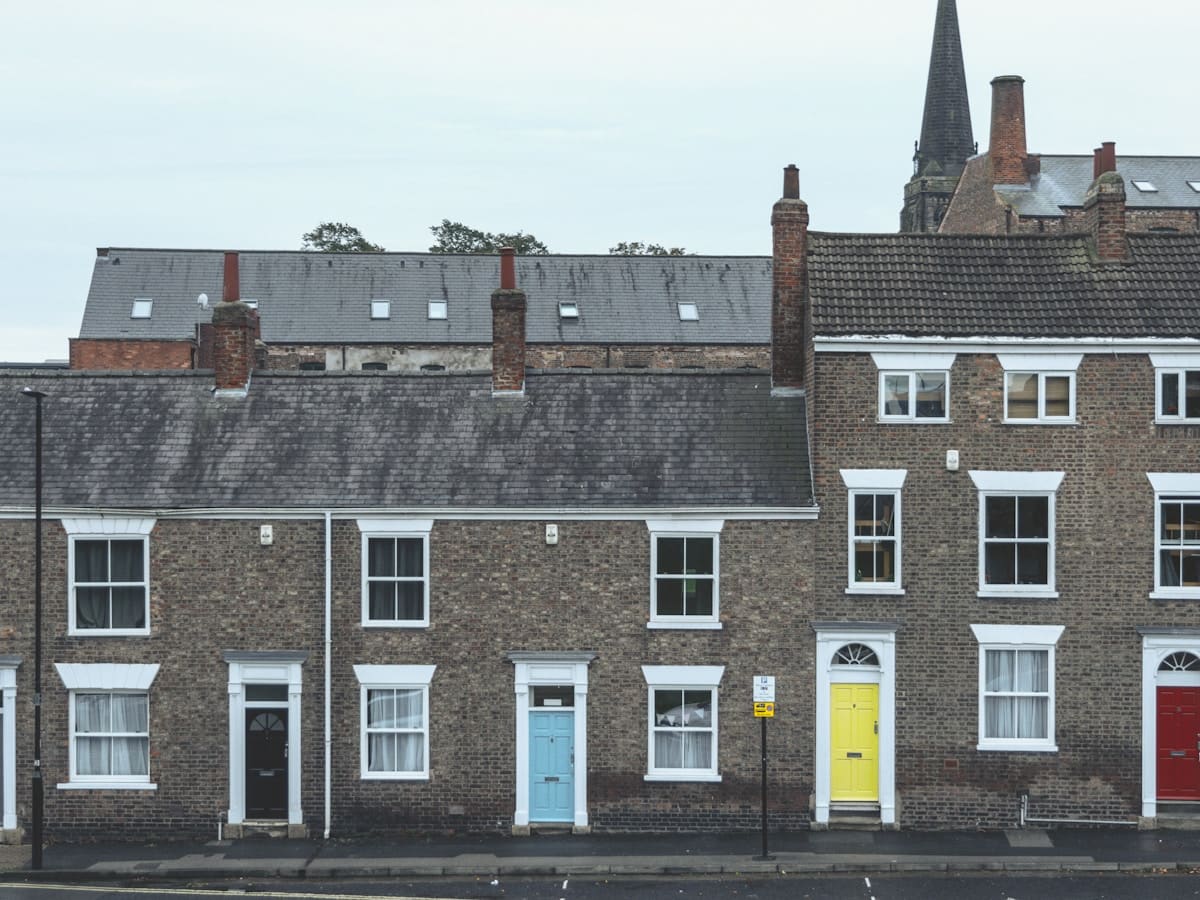
Sales recorded by HM Land Registry in the last three years, starting half a mile from the property. Half a mile is the right answer where it works, and in a dense terraced district it usually does. Where it does not, the search widens to a mile, then to two, and stops: a sale two miles from a Burnley terrace is still Burnley; five miles is a different town at different prices.
The tightest radius that gives enough evidence is the one used, and the property page says how far it had to look.
Where floor areas are known for the property and the sales, the sales are worked in price per square foot and scaled to the property, because the house you are looking at is rarely the same size as its neighbours. Where they are not, sale prices are used directly, which is cruder, and the confidence shown is lower.
Only sales of the same property type count, and only those with the same number of bedrooms or within one. Without floor areas, bedrooms are the only handle on size, and they are the difference between evidence and noise: a three-bedroom terrace measured against every local sale, one-bedroom flats and five-bedroom houses together, produced a range from £15,000 to £199,525 around a £136,000 value.
The size match is never loosened to make up the numbers. Loosening it is what once let a six-bedroom house worth millions be valued at £410,000 against two- and three-bedroom sales. When nothing of a similar size has sold nearby, the honest answer is that the property cannot be valued, and that is what the page says.
The value is taken at the upper quartile of the evidence, the 75th percentile, rather than the middle. The figure is what the property is worth finished, and the appraisal has already charged you for finishing it. Measuring the result against the median of every nearby sale, refurbished and tired alike, pays for the work and then values the outcome as though the work had not happened. Both cannot be right.
Not higher than that. Across seventy-three Morecambe properties the upper quartile lifted the end value 13.8% over the median, which is a correction; the ninetieth percentile would have lifted it 31%, which assumes every refurbishment produces a top-decile result. This is the one dial on the whole tool that makes it more generous, since every pound here is a pound on the most you can pay, so it sits at the conservative end of the argument for moving it at all.
Fewer than five qualifying sales within two miles, and the site does not value the property. It shows the listing with that reason instead of a figure. Five, not three: three is where a median stops meaning anything, which is a different question from where it is worth acting on. A live run once produced a £589,000 valuation of a £2 million house from three sales, honest about its own low confidence and still far too thin to price a deal against.
The cost is refusing more properties in quiet districts, which is the right side to err on. A refusal is visible; a thin valuation is not.
Every property page lists the sales the value came from, with their dates, prices and distances, and a confidence score built from three things: how many sales there were, how much they agreed, and whether floor areas were available. Read them. If the street has a reason the sales do not show, a railway line, a school catchment, a flood map, the value does not know it. It is a reading of recorded sales by a rule, not a survey and not a valuation.